Skidder Tractor: A Grounded, Work-Ready Embroidery Design
First Impressions: Rugged Charm, Not Just Another Tractor
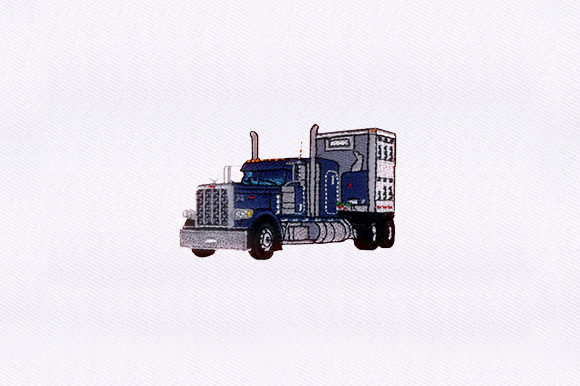
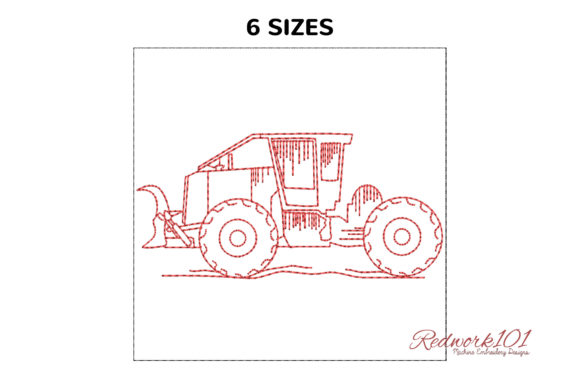
When I opened Skidder Tractor, I didn’t see a generic farm icon—I saw intention. This isn’t a cartoonish silhouette or an overly stylized vector; it’s a machine with weight, purpose, and quiet confidence. The profile is clean but detailed enough to read as *real*: the cab shape, the angled boom, the tread pattern on the tires—all land without clutter. It leans into its Transportation roots without shouting. It feels like something you’d embroider on a workwear apron for a forestry co-op, not a novelty onesie (though yes—it *could* go there, thoughtfully). The optional Box Stitch frame adds structure, but it’s truly optional—meaning you’re in control of whether it reads as a framed collectible or a seamless part of the garment.
A Real Project Test: Custom Tote Bags for a Timber Festival
Last month, I used Skidder Tractor on a batch of 14-oz cotton canvas tote bags for a regional timber festival vendor. No appliqué, no layered backing—just direct embroidery using 40-weight polyester thread and medium-cutaway stabilizer. The result? Crisp, legible, and surprisingly warm. Customers paused—not because it was flashy, but because it felt *authentic*. One buyer said, “It looks like it belongs on my gear.” That’s the quiet power of this design: it earns trust through restraint and accuracy.
Where Skidder Tractor Shines (and Where It Asks for Care)
Skidder Tractor excels on mid-to-heavyweight fabrics where stitch definition holds:
- Custom apparel: Works beautifully on sweatshirt cuffs, chest pockets, or sleeve plackets—especially on fleece-lined hoodies where the tractor’s solid form anchors the look.
- Embroidered patch: Clean edges and balanced negative space make it ideal for sew-on or iron-on patches destined for jackets or tool belts.
- Tote bag design: Holds up at 3.5"–4.5" width without thinning out or losing clarity—even on textured canvas.
- Baby embroidery: Yes, really—but only when scaled to 2.75" or smaller and stitched on stable, pre-shrunk cotton interlock. Avoid stretchy knits unless you double-stabilize.
- Holiday embroidery: Paired with subtle forest-green or charcoal thread on cream linen tea towels, it becomes a quietly sophisticated gift—not cutesy, not corporate.
That said, Skidder Tractor asks for thoughtful placement on challenging surfaces:
- Caps & curved surfaces: The lower rear tire and boom angle can distort if hooped too tightly or stitched without proper cap framing. Test first on a spare front panel.
- Thin or lightweight fabric: Skip the Box Stitch entirely here—the outer frame adds density that may cause puckering on poplin or rayon blends.
- Dark fabric: Use matte black or deep forest green thread—not glossy metallics—to preserve the tractor’s grounded feel. Always check contrast in natural light.
- Frequent-wash items: Reinforce with tear-away + cutaway combo stabilizer. The fill stitch areas are dense enough to hold, but thread tension matters more than usual.
Design Integrity Meets Commercial Reality
As someone who sells digital embroidery files and consults for Etsy sellers, I pay close attention to how a design impacts perceived value. Skidder Tractor elevates a handmade product without demanding premium pricing—it’s approachable but never cheap. On a boutique apron, it signals craftsmanship, not craft-store filler. On a personalized gift, it adds narrative: “This isn’t just for Dad—it’s for the guy who knows how to handle terrain.” That storytelling lifts buyer engagement, especially for small shop owners building niche brands around outdoor work, sustainability, or regional pride.
For commercial embroidery shops, Skidder Tractor is low-risk, high-return. Minimal thread color changes mean faster run times. Its moderate stitch density keeps machine wear steady. And because it avoids tiny lettering or fragile satin-stitch details, re-hooping is rare—even across 50+ units.
Practical Designer Notes You’ll Actually Use
Before stitching your first Skidder Tractor project, do these five things:
- Test on scrap fabric that matches your final substrate—especially if using textured, brushed, or recycled materials.
- Review stitch density visually in your editing software. Look for any unintentional overlap in the cab or boom area that could cause buildup.
- Confirm hoop size compatibility—if your smallest hoop is 4"x4", avoid scaling below 2.5". The tires and tread detail start to blur.
- Check thread color contrast in both light and dark mockups. What reads well on white linen may vanish on heather grey.
- Verify licensing before listing as a finished product or digital embroidery file. Since the Box Stitch is optional and the outer box color varies, confirm whether that element is included in your license scope.
Final Thought: It’s Not Just a Tractor—It’s a Tone Setter
In a market flooded with oversimplified icons and AI-generated fluff, Skidder Tractor stands out by honoring its subject. It doesn’t try to be playful, cute, or retro—it’s simply *capable*. That makes it unusually versatile: equally at home on a baby’s organic-cotton bib, a chef’s heavy-duty apron, or a limited-run patch for a conservation nonprofit. It reminds me why I love this work—not for perfection, but for resonance. When your customer runs a finger over that embroidered boom and says, “Yeah—that’s the one,” you’ll know Skidder Tractor earned its place.