Cricket Stumps: A Seasonal Embroidery Design Review
First Impression: Playful, Nostalgic, and Surprisingly Versatile
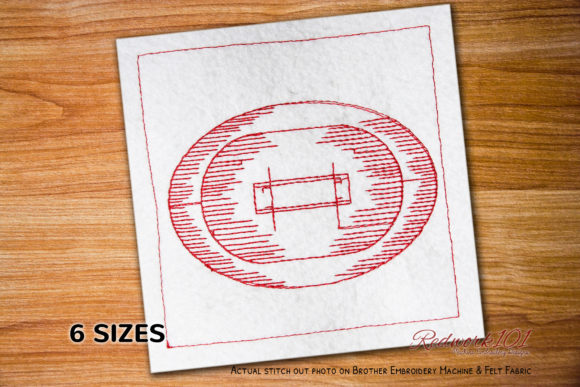
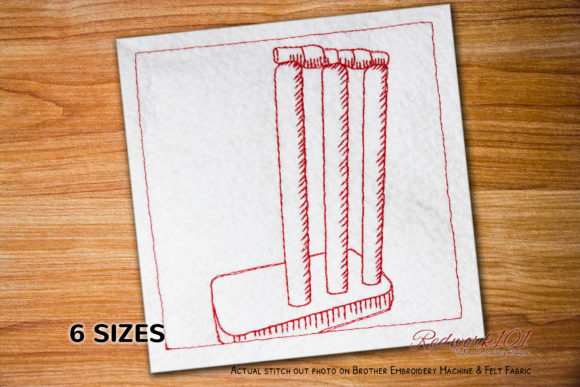
As an embroidery designer who’s built holiday collections for over a decade, my first glance at Cricket Stumps landed with quiet delight—not the loud cheer of fireworks, but the warm, grounded hum of shared summer evenings and backyard games. It carries a gentle nostalgia, leaning into playful rather than formal, rustic rather than clinical. There’s no overt holiday motif (no snowflakes, no holly), yet its clean lines and balanced composition make it feel effortlessly festive when paired with seasonal context: think navy-and-cream Christmas sweatshirts, linen kitchen towels for summer solstice brunches, or embroidered pillow covers for Father’s Day or graduation gifts. The optional Box Stitch adds subtle framing—ideal for gift-ready presentation—but the core stumps design stands strong on its own. It reads as confident, sporty, and quietly elegant—perfect for customers who value craftsmanship over clutter.
Where Cricket Stumps Shines in Holiday & Seasonal Product Lines
This isn’t just a sports-themed embroidery file—it’s a flexible visual anchor for thoughtful gifting. On sweatshirt embroidery, Cricket Stumps lands beautifully centered on the chest or subtly on the sleeve—especially in tonal thread (navy on charcoal, olive on oatmeal). For tote bag design, it scales well without losing definition, making it ideal for farmers’ market shoppers or festival-goers seeking personality without flash. Kitchen towel embroidery benefits from its crisp geometry: stitch it near the hem in contrasting cotton thread for instant charm. As a pillow cover motif, it pairs elegantly with textured weaves or linen blends—adding character to cozy living rooms or sunrooms. And yes—it works on embroidered patches: cut, heat-seal, and attach to backpacks, denim jackets, or baby bibs for family matching sets that feel intentional, not gimmicky.
Etsy sellers will appreciate how Cricket Stumps supports storytelling in listings: “Hand-stitched cricket motif for the lifelong fan,” “Personalized gift for the coach who taught you your first cover drive,” or “Minimalist summer embroidery for slow-living homes.” It performs exceptionally well in printable mockups—clean edges render sharply across digital previews—and translates smoothly into social media carousels showing real fabric samples, not just vector renders. At craft fairs, it draws attention without shouting—especially when stitched on natural fiber aprons or table linens alongside complementary botanical or monogram designs.
Use With Care: Practical Limits for Real-World Production
While versatile, Cricket Stumps demands mindful application. Avoid using it on small hoop sizes below 4” unless simplified—fine stump details may blur or skip on dense fabrics. It’s not ideal for tiny lettering integration (e.g., names or dates) unless placed separately; the design’s integrity relies on breathing room. On thick, looped kitchen towels or heavy canvas totes, confirm adequate stabilizer use—medium-weight cutaway prevents puckering under stitch density. Dark fabrics require careful thread colors testing: metallics can dull or snag; matte cottons pop best. Steer clear of stretchy garments (like performance tees) unless digitized for knit stability—uncontrolled tension risks distortion. And skip curved surfaces like baseball caps unless you’ve confirmed the file’s compatibility with cap hoops and underlay settings.
Design Notes Every Embroidery Designer Should Check
- Test thread colors on both light and dark fabric—the outer box color is optional and often contrasted, so verify harmony before bulk stitching.
- Check stitch density before scaling up: high-density fills may overwhelm lightweight apparel or delicate baby items.
- Confirm hoop size requirements—if the Box Stitch is included, ensure your smallest production hoop accommodates it comfortably.
- Use proper stabilizer for each substrate: tear-away for stable wovens, cutaway for knits, and fusible + tear-away for towels.
- Create realistic mockups—not just white backgrounds—on actual fabric swatches to assess scale and tone.
- Review small details after stitching: stump tops, ground line clarity, and box corners should remain crisp, not fuzzy or frayed.
- Plan matching color palettes in advance—Cricket Stumps adapts beautifully to seasonal palettes: sage & cream for spring, navy & gold for winter, terracotta & ivory for autumn.
- Confirm commercial licensing before selling finished seasonal products—this is essential for Etsy sellers, small shop product lines, and wholesale partners.
Why Cricket Stumps Builds Trust and Value During Holiday Shopping
Holiday shoppers don’t just buy embroidery—they buy meaning, memory, and intention. Cricket Stumps delivers emotional resonance without cliché. It signals thoughtfulness: a gift for the retired umpire, the cricket-crazy teen, the dad who still keeps his old bat in the garage. That builds customer trust—especially when paired with consistent branding and quality stitching. Visually, it offers brand consistency across categories: same motif, different applications (tote → towel → patch), reinforcing recognition. Its clean aesthetic boosts product value—it doesn’t scream “discount craft,” but whispers “curated handmade gift.” And because it’s rooted in real-life activity—not fantasy—it sparks conversation, shares stories, and earns organic engagement on Instagram or Pinterest during peak gifting seasons.
For small business owners and digital embroidery file buyers, Cricket Stumps is more than a machine embroidery design. It’s a seasonal workhorse—adaptable, emotionally intelligent, and production-ready with minimal tweaks. Whether you’re launching a limited-edition summer collection, building a Father’s Day bundle, or refreshing your handmade gift lineup for holiday markets, this seasonal embroidery piece earns its place—not as filler, but as foundation.