Cricket Pitch Machine
A Thoughtful Embroidery Choice for Meaningful Handmade Gifts
As an embroidery designer who’s stitched thousands of personalized pieces—from baby blankets to wedding towels—I approached the Cricket Pitch Machine with quiet curiosity. Not as a generic sports motif, but as a potential emotional anchor: a tiny, nostalgic nod to summer afternoons, family matches, or a beloved grandparent’s stories. What stood out immediately was its gentle charm—soft curves, balanced negative space, and a hand-drawn authenticity that avoids looking like a clipart afterthought. It doesn’t shout “sports!”; it whispers “memory,” making it unexpectedly versatile for handmade gifts where warmth matters more than literalism.
Why It Works So Well for Personalized Keepsakes
The Cricket Pitch Machine carries a cozy, classic elegance—not overly playful, not stiffly formal—just quietly sincere. That makes it shine in contexts where sentiment is central. Imagine it delicately embroidered on a 100% cotton baby blanket, nestled beside a monogrammed corner; or stitched in muted sage and cream on a linen pillow cover for a cricket-loving dad’s reading nook. On a woven cotton towel? It reads as heirloom-quality—not sporty, but soulful. For Etsy sellers crafting custom nursery decor, this design adds subtle personality without overwhelming a soft, neutral palette. And for wedding gift creators? Pair it with a vintage-style monogram or date on a set of embroidered tea towels—it becomes a conversation piece, a shared inside joke turned keepsake.
Real-World Uses Across Your Creative Business
- Baby embroidery: Gentle scale and open stitch layout make it ideal for lightweight interlock or jersey—just avoid ultra-dense fill areas near seams.
- Wedding gift: Stitch it on organic cotton napkins or a linen apron for the couple who met at a village match—or simply adore British tradition.
- Family keepsakes: Add names or a year inside the pitch outline for a framed pillow cover or quilt block.
- Nursery decor: Works beautifully on muslin wall hangings or felt-backed nursery banners—its clean lines photograph well for Instagram and Etsy listings.
- Embroidered towel & pillow cover: The design’s moderate stitch density holds up nicely on terry cloth when stabilized properly—no puckering, no thread breakage.
- Blanket embroidery & tote bags: Its compact footprint (check hoop size before stitching!) fits neatly into corners or center panels without dominating.
- Custom gift boxes & craft fair products: Print a clean mockup with the Cricket Pitch Machine on kraft box labels or twine tags—it elevates even simple packaging.
Practical Notes Every Embroiderer Should Know
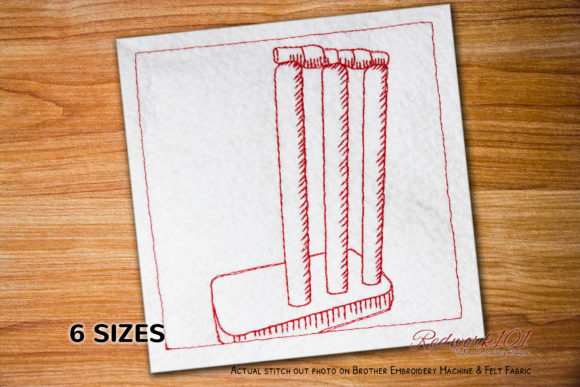
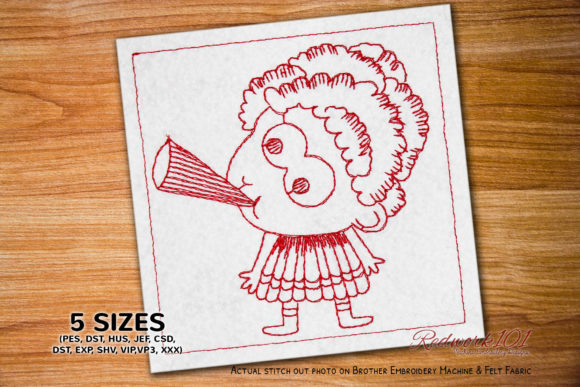
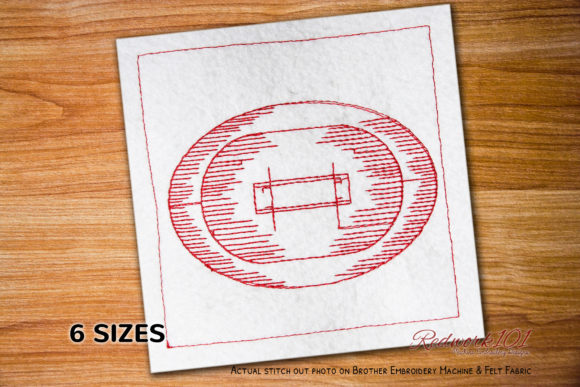
Before sending your first stitch-out, take five minutes to test—especially if you’re embroidering for sale. The outer box stitch shown in the preview image is optional, and its color often differs from the main design unless intentionally integrated. You can skip that color entirely in your machine if it clashes with your fabric or vision. That flexibility is a quiet strength: it lets you adapt the Cricket Pitch Machine to your brand palette instead of forcing your project into a preset scheme.
Watch for delicate shapes—like the stumps or bails—if stitching on textured towels or stretchy baby knits. A light tear-away stabilizer works well for stable fabrics; for knits or dark garments, try a cut-away + topping combo to keep detail crisp and prevent shadowing. Always compare your chosen thread colors against your fabric in natural light—what looks rich on screen may mute on charcoal linen or fade on ivory terry. And yes, check the actual stitch density before hooping: too dense on thick fleece can cause tension issues or skipped stitches.
How This Design Builds Trust—and Sales
In handmade markets, buyers don’t just buy embroidery—they buy intention. When a customer sees the Cricket Pitch Machine thoughtfully placed on a custom apron or baby onesie, they sense care. They imagine the time taken to select, test, and perfect each stitch. That perception lifts perceived quality, strengthens emotional connection, and supports higher pricing—especially for Etsy sellers positioning themselves as premium small-shop artisans. Photographed well (soft lighting, clean background), it adds storytelling depth to your product photos. No need for lengthy captions—just one clear image says, “This was made for someone who matters.”
Your Next Steps Before Stitching
- Create a test stitch-out on fabric matching your final project—same stabilizer, same thread, same hoop size.
- Check how small details hold up: stumps, boundary lines, and any fine interior elements.
- Compare thread colors side-by-side on your base fabric—adjust if contrast fades or overwhelms.
- Confirm hoop size compatibility—don’t assume it fits your standard 4x4 unless verified.
- Review the Creative Fabrica embroidery file details carefully: licensing terms, included formats, and whether commercial use is permitted for your finished product.
- Remember: the outer box is optional—skip it if it doesn’t serve your aesthetic or functional goal.
The Cricket Pitch Machine isn’t just another sports-themed embroidery file. It’s a quiet invitation—to slow down, personalize with purpose, and embed meaning into everyday objects. Whether you're stitching for a newborn, a newlywed couple, or your own small shop’s next bestseller, it offers that rare blend of visual calm and emotional resonance. In a world of fast trends, this design feels like something you’ll still love stitching—and gifting—five years from now.