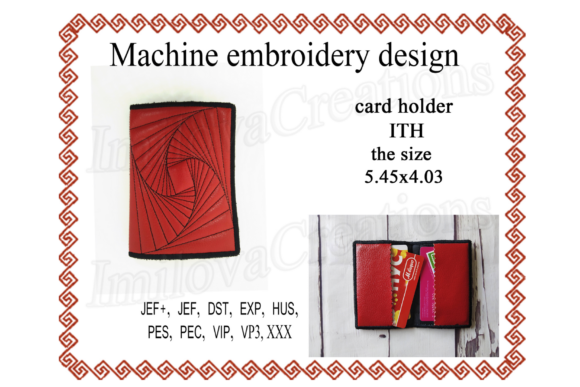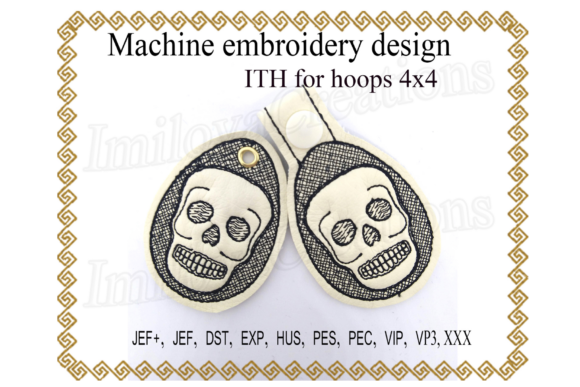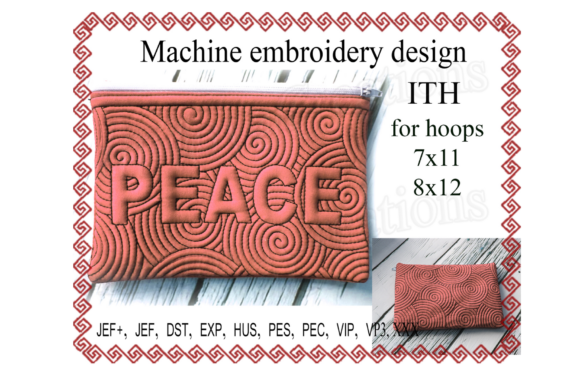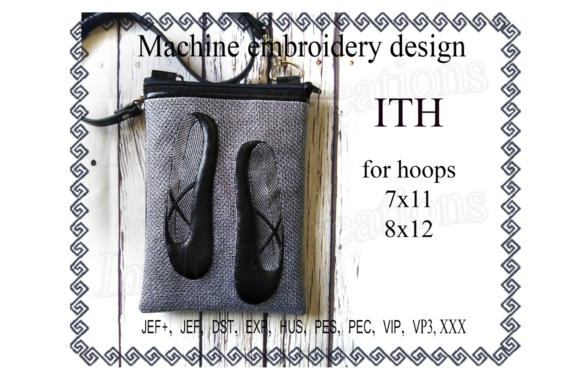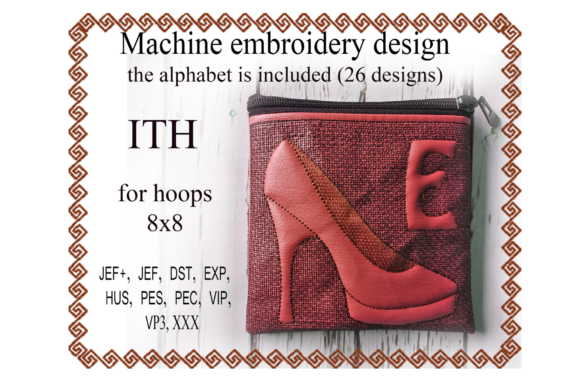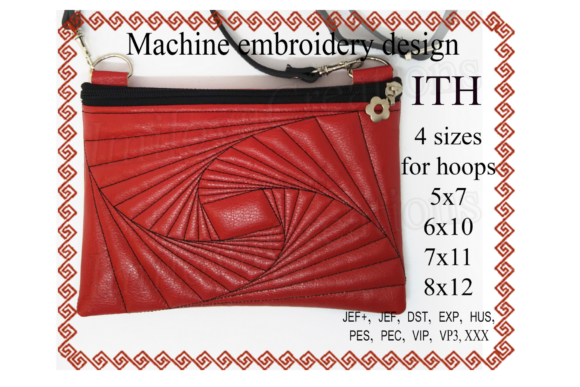
Zippered Bag – In the Hoop
A Clean, Confident Finish for Real-World Embroidery Projects
As an embroidery designer who’s stitched hundreds of commercial orders—from boutique totes to baby shower gifts—I approached Zippered Bag – in the Hoop with quiet curiosity. Not hype. Not hope. Just a need: something that delivers a polished, no-sew interior, zero raw edges, and real usability across multiple product types. What I found wasn’t just another machine embroidery design—it was a workflow upgrade.
First Impressions: Precision With Purpose
The visual mood of Zippered Bag – in the Hoop is calm confidence. No fussy flourishes, no over-engineered applique layers—just smart construction logic translated into stitch. The design relies on clean satin stitch borders, balanced fill stitch zones, and intentional running stitch guides for zipper placement. There’s no visual noise, which means it reads beautifully at small scales (think 4x4 hoop projects) and holds up when scaled for larger tote bag designs or nursery decor.
What stands out most is its “stitching personality”: methodical, tidy, and forgiving. Unlike some in-the-hoop designs that demand perfect tension or aggressive stabilizing, this one feels built for consistency—not perfection. That matters when you’re stitching 20 units for a craft fair or fulfilling Etsy orders under deadline.
Where It Fits Naturally in Your Product Line
Zippered Bag – in the Hoop isn’t limited to literal zippered bags. Its structure makes it ideal for any project where clean interiors and branded presentation matter:
- Tote bag design: Add a matching embroidered zip pouch inside—ideal for retail packaging or gift-ready bundles.
- Baby items: Use as a soft, lined teether pouch or diaper-accessory carrier—no exposed seams means safer, washable finishes.
- Aprons & kitchen towels: Stitch the bag onto a corner as a functional storage pocket—especially effective with contrasting thread colors.
- Pillow covers & nursery decor: Mount the finished bag as a removable, embroidered accent—great for themed rooms (e.g., woodland, celestial, monogrammed).
- Custom apparel: Scale down for sweatshirt embroidery on sleeve pockets or cap back panels—works best with simple zipper pulls and minimal fill density.
It also pairs seamlessly with printable mockups. Because the design produces such a consistent, camera-ready finish, it elevates your digital embroidery file listings—whether you're selling the design itself or showcasing finished products on Etsy or Instagram.
Real-World Embroidery Notes You Can’t Skip
This isn’t a “load-and-go” design—and that’s a good thing. Its strength lies in thoughtful execution. Here’s what I learned after testing Zippered Bag – in the Hoop across six fabric types and three hoop sizes:
- Hoop size matters: While it’s optimized for standard hoops, verify the exact dimensions listed on the Creative Fabrica product page before scaling for caps or curved surfaces. Small hoops (3x3 or 4x4) work well—but don’t force it into sub-3" spaces without checking stitch density first.
- Stabilizer strategy: Medium-weight cutaway works best for woven fabrics; lightweight tear-away suffices for stable knits. Avoid heavy fusibles—they can distort the zipper channel during hooping.
- Thread colors & contrast: The design uses satin stitch generously, so low-contrast thread on dark fabric can mute definition. Test on scrap with your final thread palette—especially if planning monochrome or tonal looks.
- Dense areas & stretchy fabric: Fill stitch zones are moderate—not extreme—but still require proper stabilization on terry cloth, fleece, or jersey. Skip it on ultra-stretchy performance fabrics unless you’re using mesh-backed stabilizer.
- Washability & durability: Because everything is fully enclosed (only one small opening to close), the finished product holds up to repeated laundering—critical for baby items, kitchen towels, and personalized gifts meant to last.
How It Elevates Your Handmade Brand
When customers see a zippered bag with no visible seams, no raw edges, and crisp, even stitching—they don’t just see craftsmanship. They feel trust. That subtle polish tells them: *This was made with care, not rushed.* For Etsy sellers and creative entrepreneurs, that perception directly impacts perceived value, repeat orders, and word-of-mouth referrals.
I’ve used Zippered Bag – in the Hoop to create limited-edition gift sets—each with a custom embroidered tote + matching zip pouch. The cohesive look strengthened brand consistency across photos, unboxings, and social posts. Customers regularly comment on the “professional finish,” and several have asked for the pouches separately—sparking a new product line.
For apparel decorators and boutique merchandise creators, it’s also a quiet differentiator. Adding a branded zippered bag as a freebie with a sweatshirt order? Instantly raises perceived value. Including it in a handmade gift bundle? Makes your offering feel curated—not assembled.
Before You Stitch: Critical Checks
Before downloading or stitching Zippered Bag – in the Hoop, do these three things:
- Review the file details on Creative Fabrica: Confirm included formats (DST, PES, EXP, etc.), recommended hoop size, and any version notes—especially if you plan commercial embroidery use.
- Check licensing terms: Understand whether the license permits resale of finished items, digital redistribution, or use in subscription boxes—this affects how you position it in your shop or catalog.
- Test on scrap fabric first: Run it on your actual base fabric + stabilizer combo. Inspect small details like zipper alignment, satin stitch smoothness, and seam coverage—then adjust tension or needle type if needed.
Also, compare light and dark fabric mockups side-by-side. A design that pops on ivory linen may disappear on charcoal cotton twill—so choose thread colors intentionally, not instinctively.
Final Thought: A Design That Serves the Maker First
Zippered Bag – in the Hoop doesn’t shout. It supports. It streamlines. It solves the “what goes inside?” question many embroidery designers face when building complete product systems—not just isolated designs. Whether you’re launching a new line of personalized gifts, expanding your custom apparel offerings, or sourcing reliable design assets for digital product bundles, this embroidery file earns its place in your working library.
It won’t replace every bag pattern you own—but it will become the go-to when you need clean, consistent, customer-facing quality, fast. And in handmade business, that kind of reliability isn’t just convenient. It’s essential.