Paper Carrots Machine
A Designer’s First Stitch with Paper Carrots Machine
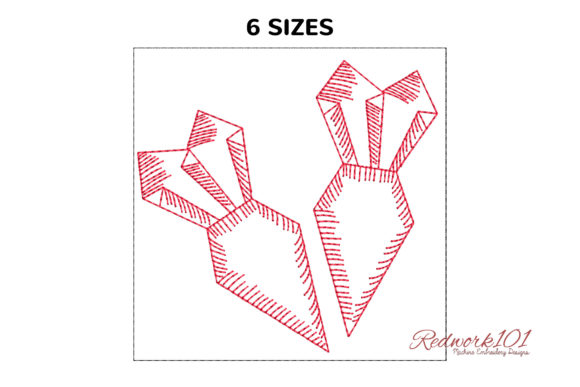
As an embroidery designer who’s tested over 2,000 digital embroidery files for handmade gift shops and Etsy sellers, I approached Paper Carrots Machine with quiet curiosity—not hype. This isn’t a flashy monogram or a dense floral motif. It’s something softer: a gentle, hand-drawn charm with organic lines and subtle asymmetry. The first impression? Sweet, modern, and quietly timeless—like a pressed wildflower tucked into a linen baby blanket. It leans into handmade authenticity without sacrificing clean machine-stitch precision. There’s no aggressive density or sharp vector rigidity here. Instead, it breathes like ink on paper—light, intentional, and full of emotional warmth.
Where This Design Finds Its Truest Home
Paper Carrots Machine shines brightest where sentiment meets simplicity. Think: a cream linen pillow cover for a new nursery, stitched in soft sage and oat thread colors; a lightweight cotton apron for a wedding kitchen station; or the corner of a muslin baby blanket, delicately framed with minimal fill stitching. It works beautifully as a personalized gift because it invites customization without demanding it—add a name in a clean script below the carrot, or let the design stand alone as a quiet symbol of growth, earthiness, and gentle joy.
For Etsy sellers and small shop owners, this design bridges seasonal appeal (spring showers, garden weddings, Easter gifting) and year-round versatility. It reads equally well on a kitchen towel for a farmhouse café, a tote bag for a botanical boutique, or a framed hoop art piece for a mid-century nursery. As a wedding gift, it adds whimsy without cliché—ideal for couples who love farmers’ markets, heirloom gardening, or slow-living aesthetics. And for baby embroidery, its low stitch density and open composition mean it won’t stiffen delicate fabrics or irritate sensitive skin.
Places to Pause—and Plan—Before Stitching
Like any thoughtful machine embroidery design, Paper Carrots Machine rewards intentionality. Here’s where attention matters:
- Small lettering: If you’re adding names or dates, avoid font sizes under 6mm height—delicate stems and fine lines may not resolve cleanly at tiny scales.
- Textured fabric: On thick terry cloth towels or nubby linen blends, test stitch density first. The design’s lightness can disappear if buried under heavy texture.
- Stretchy baby clothes: Not recommended for onesies or knit bodysuits unless stabilized with cutaway + topping—and even then, prioritize flat panels like bibs or burp cloths.
- Curved surfaces: Avoid stitching directly onto rounded pillow forms or curved tote handles. Use flat pillow covers or pre-cut tote fronts instead.
- Dark fabric: The design’s charm relies on contrast. On charcoal or navy, verify your thread colors pop—especially pale yellows or creams. A printable mockup helps visualize this fast.
- Frequent washing: While ideal for embroidered towel or blanket embroidery, always use high-quality polyester thread and secure trims. Reinforce start/stop points if using for baby items that undergo repeated laundering.
Why Customers Reach for This—Not Just Buy It
This goes beyond stitch count or hoop size. Paper Carrots Machine elevates perceived value by signaling care—not just craft. When customers see this design on a product listing, they don’t just register “carrot.” They feel intention: the choice of linen over polyester, the restraint in color palette, the nod to nature and nurture. That translates directly to trust. For handmade sellers, that emotional resonance builds repeat buyers and heartfelt reviews (“It felt like it was made just for us”).
In product photography, Paper Carrots Machine performs exceptionally well—it’s clean enough for flat-lay shots yet expressive enough to anchor lifestyle images (a towel draped over a wicker basket, a pillow beside a sunlit window). That visual clarity boosts buyer engagement, especially on mobile feeds where subtlety gets lost. And because it avoids trend fatigue—no glitter, no neon, no dated motifs—it supports long-term inventory planning for small shop products and craft fair booths.
Practical Notes from the Hoop
Before committing to customer orders, run these checks:
- Test on scrap fabric—same type, same dye lot, same pre-wash status as your final product.
- Confirm hoop size compatibility. Even simple designs can surprise with width or height requirements.
- Review stitch density visually—zoom in on your embroidery software. Look for tight clusters or floating elements that might snag or fray.
- Match stabilizer to fabric: Tear-away for stable cottons, cutaway for knits or towels, and water-soluble topping for nap or pile.
- Compare light/dark fabric mockups side-by-side before finalizing thread colors.
- Check small details post-stitch: Are carrot tops crisp? Do stem lines hold their flow? Trim stray threads gently—don’t pull.
- Verify commercial licensing before selling finished products. Since Paper Carrots The Box Stitch shown in picture is optional. The color of outer Box is different color in most of the designs unless it is part of the design itself, you can skip the color directly in y, confirm whether the box element is included in your file license—and whether omitting it affects usage rights.
A Quiet Design With Big Heart
Paper Carrots Machine isn’t shouting for attention. It’s leaning in—offering a pause, a smile, a reminder of small joys rooted in real things: soil, sunlight, care. For embroidery makers building meaningful brands, it’s a reliable ally. For gift shop owners curating connection over clutter, it’s a standout SKU. And for customers choosing a personalized gift, it feels like being seen—not just served. In a market saturated with speed and scale, this design chooses softness, substance, and stitch-by-stitch sincerity. That’s not just good Embroidery. That’s good business.